top of page

გონივრული ეჭვის მიღმა

.jpeg)


Language




Passover Rehearsal
Preparation and practice for the Passover feast observance.

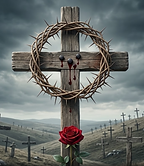
Keeping Passover biblically bridges the historic shadow of Exodus with its ultimate fulfillment in Yeshua, the Passover Lamb ("For indeed Christ, our Passover, was sacrificed for us" — 1 Corinthians 5:7).
Observing Passover with reverence, historical grounding, and Messianic faith centers on specific timing, spiritual preparation, and the service itself.
1. Timing and Context
The Biblical Date: Passover falls on the 14th day of the first biblical month (Nisan/Abib), observed at twilight (Leviticus 23:5).
The Feast of Unleavened Bread: Passover immediately transitions at sunset into the seven-day Feast of Unleavened Bread (Nisan 15–21), where the first and seventh days are High Sabbaths (holy convocations) set apart from customary work.
2. Spiritual & Physical Preparation (Cleansing the Home)
Biblically, Passover is inseparable from the removal of leaven (chametz):
Removing Physical Leaven: Before the Passover meal begins, search and clear yeast, baking powder, and leavened breads or pastries from the home (Exodus 12:15).
The Spiritual Reality: In Scripture, leaven often represents hypocrisy, sin, malice, and false doctrine. Paul writes in 1 Corinthians 5:7–8:
"Purge out the old leaven, that you may be a new lump, since you truly are unleavened... Therefore let us keep the feast, not with old leaven, nor with the leaven of malice and wickedness, but with the unleavened bread of sincerity and truth."Self-Examination: Use the days leading up to Passover for repentance, prayer, and reconciling with brethren so you come to the table with a clean heart (1 Corinthians 11:27–29).
Whether using a traditional Messianic Haggadah or keeping a simpler biblical memorial, the service generally centers on four actions:
1. Foot Washing (Humility & Servant Leadership)
Many believers follow Yeshua’s example during His final Passover meal (John 13:1–17), where He washed the disciples' feet, commanding them to walk in mutual humility, forgiveness, and servant love.
2. Telling the Story (The Maggid / Haggadah)
Exodus 12:26–27 and 13:8 command: "And you shall tell your son in that day, saying, 'This is being done because of what the Lord did for me when I came out of Egypt.'"
Retell the Exodus: the bondage, the ten plagues, the blood on the lintels, and the deliverance across the Red Sea.
Reconnect it directly to Yeshua's death and resurrection: how His blood shields us from the judgment of death.
3. Partaking of the Elements (The Lord’s Supper)
The Bread: Break the unleavened bread, give thanks, and eat together in remembrance of His broken body.
The Cup: Give thanks for the fruit of the vine and drink together in solemn remembrance of the blood of the New Covenant.
4. Praise and Hymns
After Yeshua and His disciples had eaten the Passover, Scripture notes: "And when they had sung a hymn, they went out to the Mount of Olives" (Matthew 26:30). Conclude the evening by singing the Hallel (Psalms 113–118), which are songs of praise, deliverance, and eternal thanksgiving.
A Heart of Reverence
Passover is not a cold legalistic ritual, nor is it merely a nostalgic dinner. It is an annual renewal of covenant loyalty to the Creator and Redeemer. When observed in truth and humility, it anchors believers in the realization of what redemption cost: the spotless Lamb who gave His life so death would pass over us.
1. The Ceremonial Elements (The Seder Plate)
Before the main meal begins, these required symbolic foods are consumed in an exact, liturgical order:
Matzah (Unleavened Bread): Three ceremonial sheets are stacked on the table, representing the haste of the departure from Egypt and the unleavened posture of humility.
Maror (Bitter Herbs): Freshly grated horseradish or romaine lettuce hearts to recall the bitterness of slavery.
Charoset: A paste made from chopped apples, walnuts, red wine, and cinnamon, symbolizing the mortar used to make bricks in Egypt.
Karpas (Green Vegetable): Parsley, celery, or boiled potato dipped into saltwater, recalling the tears shed in bondage and the arrival of spring.
Zeroa (Shankbone) & Beitzah (Hard-Boiled Egg): Visual reminders placed on the plate representing the ancient Passover offering and the festival sacrifice (the egg is peeled and often eaten dipped in saltwater right before dinner).
Four Cups of Wine or Grape Juice: Poured and consumed at four designated points in the liturgy.
2. The Festive Dinner Menu (Scaled for Six)
Once the liturgy pauses after the Korech (Hillel sandwich), the full festive meal is served. Because no leaven (chametz) may be present, all dishes rely on whole meats, root vegetables, eggs, and certified Kosher-for-Passover matzah meal.
Starter
Traditional Matzo Ball Soup: Rich chicken broth simmered with carrots, celery, dill, and light matzo balls (made from matzo meal, beaten eggs, and rendered poultry fat or oil).
Main Course
Braised Beef Brisket (or Roast Chicken): 3.5 to 4 pounds of flat-cut beef brisket, slow-braised with onions, garlic, carrots, crushed tomatoes, and red wine until fork-tender.
Alternative: Herb-roasted chicken seasoned with rosemary, garlic, and olive oil.
Side Dishes
Roasted Root Vegetables: Fingerling potatoes, carrots, and parsnips tossed in olive oil, coarse salt, and thyme, roasted at 200°C (400°F).
Spring Asparagus or Green Salad: Steamed asparagus with lemon zest and olive oil, or mixed greens dressed with a simple lemon-olive oil vinaigrette.
Dessert (Flourless)
Dark Chocolate-Dipped Matzah: Matzah sheets coated in melted bittersweet chocolate and finished with coarse sea salt and crushed walnuts.
Flourless Almond-Lemon Cake: Made purely with ground almond flour, whipped egg whites, lemon juice, and honey.
Preparation Timeline
TimeframeKey Tasks2 Days BeforePrepare the charoset; grate horseradish; buy certified Kosher-for-Passover wine and matzah.1 Day BeforeBraise the brisket (brisket tastes better made ahead and chilled; it slices cleanly cold, then reheats gently in its juices).Morning of SederSimmer chicken soup; roll and boil matzo balls; roast shankbone and boil eggs for the ceremonial plate.1 Hour Before SunsetAssemble the ceremonial Seder plate; set out wine glasses, saltwater bowls, and matzah covers for all six settings, including the Cup of Elijah.
bottom of page